After more than 20 years in the preserved-rose industry in Ecuador, I have watched our sector change profoundly. Here is why I now help producers build their own preserved-flower production.
Producers under pressure from both sides
Energy costs, wars and global inflation are squeezing preserved-flower producers from both sides:
- Production costs keep rising: energy, raw materials, labor.
- Exporting gets more expensive every year: sea freight, air freight, insurance.
The result: preserved flowers shipped across the world are slowly losing their added value, and many producers in Latin America are struggling.
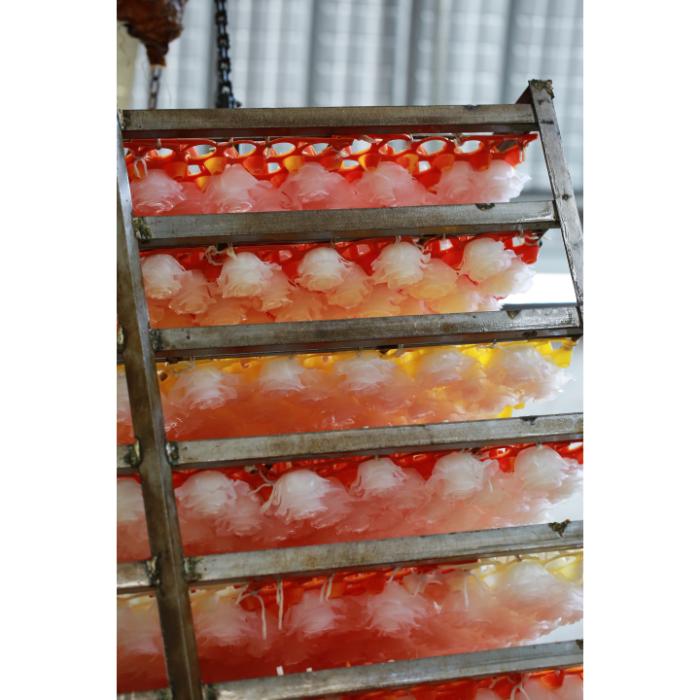
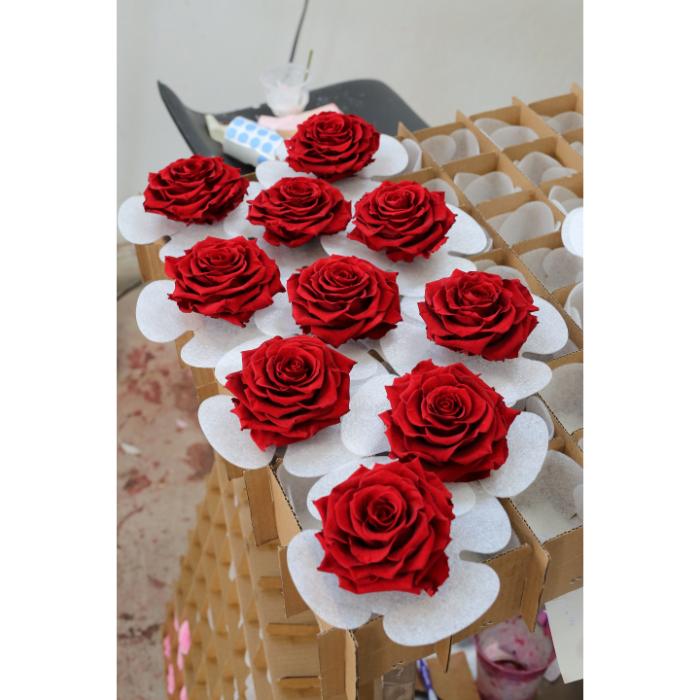
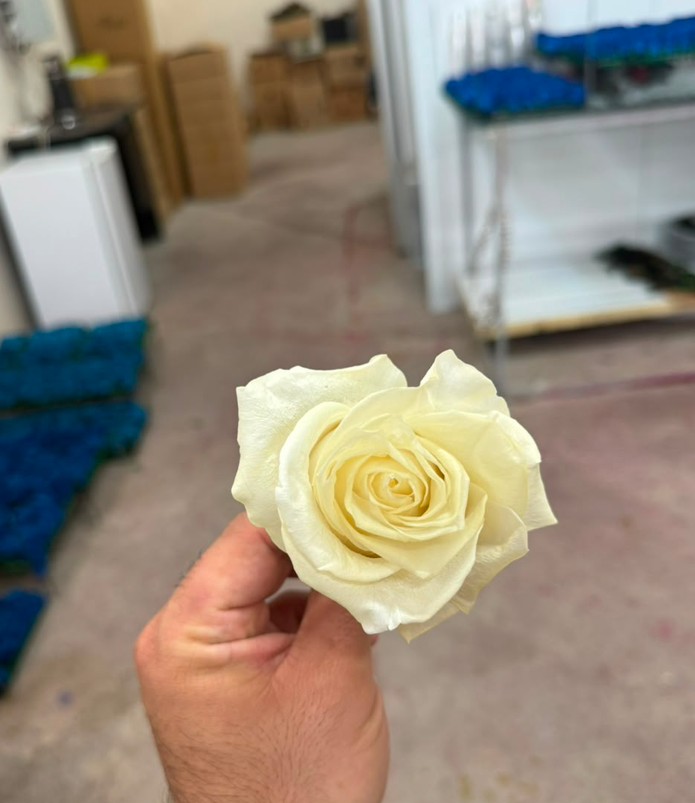
The future is local production
A little over a year ago I came to a clear conclusion: the future is local production. Countries that do not yet produce their own preserved flowers can now be competitive, selling to their domestic market and exporting regionally, without crossing oceans.
So I started transferring the know-how I built in Ecuador to producers who want to launch their own unit: roses, hydrangeas, other flowers and foliage.
Today, I work with clients in the Middle East, Mexico and North Africa, and I am in discussions for a new project in north-eastern Europe.
What I offer
A method built on two technical manuals
My approach is built on two technical manuals I wrote: more than 200 pages on rose preservation, and more than 80 pages on preserving other flowers and foliage.
Considering your own preserved-flower production?
If you are a grower, a flower company or an investor, send me a message. I will be glad to discuss your project.